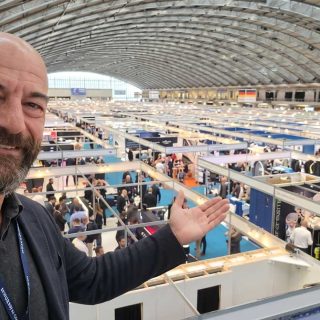
Does Metstrade work?
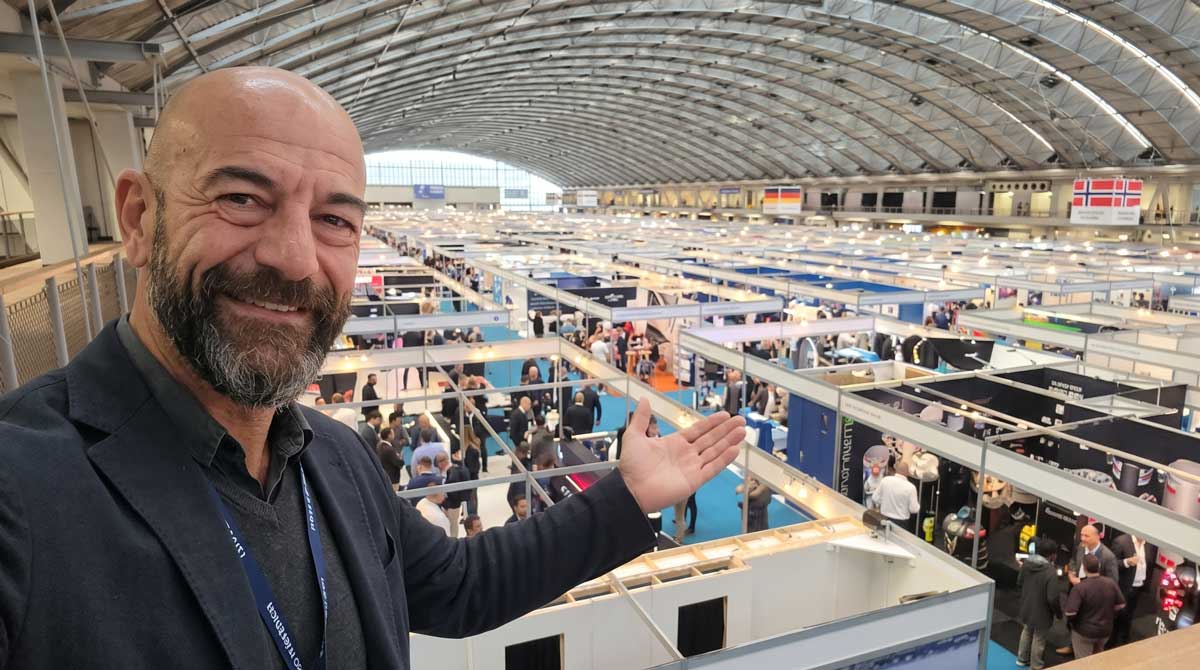
For the organizers, definitely: across 12 halls they pack in (official figures) 1,763 exhibitors who, even before catching sight of Amsterdam Schiphol Airport, have already handed over at least 12,000 euros to the organization (for the smallest booth).
It is interesting to note how the show is constantly growing, regardless of the fluctuating fortunes of international shipbuilding.
Whether boats are selling well or poorly, people still go to the world’s largest trade exhibition of equipment, materials, and systems for the international marine leisure industry, as it defines itself.
Of course, the superyacht segment is the one immune to crises. Listening to the chatter around the halls, it sounds like at least one 70-meter-plus yacht is being sold every month, if not a couple.
In fact, for the next METS, the Superyacht Pavilion is scheduled to move—from the remote Halls 7 and 8 to the area immediately adjacent to the main entrance, Halls 10, 11, and 12.
Presumably, the thinking is that those buying gear for massive yachts ga da laura’ (“have work to do,” as we say here in industrious Brianza) and have no time to waste on leisurely strolls.
Meanwhile, those dealing with smaller boats—since fewer are being sold and that can certainly cause a few headaches—might as well get a bit of recreation and finally think about their health: even doctors say that walking every day is one of the best ways to stay healthy.
Look how thoughtful these Dutch organizers are.
That said, how do you navigate all this abundance with the little time you have available? In other words, who stops where, and why?
This is a question that applies just as much to exhibitors, given that in just three days of the show, 19,487 visitors from 144 countries (2026 figures) pass through the colorful booths—and somehow they need to be won over.
The wise ones plan ahead and book their meetings in advance. It is not uncommon for people who work just a few kilometers apart to find it easier to meet at METS than back at the office.
Many others, banking on the event’s success, text each other during the show days just like friends making last-minute plans for the evening. Instead of messaging, “Are you off work yet? Grabbing a drink at Mario’s?”, the WhatsApp message becomes: “Are you at METS? Can I offer you a coffee at my booth?”
At a certain point, however, even pre-scheduled appointments come to an end. What remains for exhibitors is the chance to snag those slightly dazed visitors wandering the aisles (it is genuinely hard not to feel overwhelmed amid such abundance) while waiting to catch the 15-minute train back to the airport.
That is when the traps set by the most forward-thinking exhibitors spring shut: the booth that captures attention.
Not everyone thinks of this—in fact, they are a minority. Most simply put their product on display and wait.
Sure, if you have a tender davit so stylishly designed that you’d want to use it at home to carry trays from the kitchen to the dining room when guests come over, the object does the work for you.
But what if your product is fiberglass pipes—or, even tougher, IT services for charter fleets mediated by a little box the size of a smartphone?
Here the game gets harder, though not impossible. And I have to say, the “pipe guys” seemed more imaginative than the IT crowd.
I spotted the worker crafted out of fiberglass looking like the Tin Man from The Wizard of Oz—and it made me stop.
The Italian company producing marine paints in every color in the world caught my eye with a series of brightly colored scale models and layered samples illustrating different applications, even though they kept their most innovative product tucked away in a corner: a black coating that reduces the surface temperature of the painted object by 20%.
As for the intriguing remote monitoring system for boats and fleets, I only discovered it because, at the end of the day, the exhibiting company came over to return the favor of a glass of wine offered the day before by the exhibitors at a booth where I had stopped to greet an acquaintance.
There was nothing at their stand explaining at a glance why I should consider their little cubicle over dozens of similar displays.
These are real business opportunities lost in the river of foot traffic due to ineffective communication.
So, to get noticed (and to find interesting things), do you really have to put on a circus at your booth?
No—but making what you do immediately obvious, even to distracted passersby, and above all making it instantly clear what you do “for me,” is what maximizes the value of the trip.
Especially because while you are busy talking to someone who already had an appointment with you, ten people might walk past your booth who would have every reason to become your customers. They just don’t know it yet.
And maybe they never will.
By the way: have you done the math to figure out how much it cost you to bring home a single lead from METS?